Department of Aircraft Engineering
History
To improve the quality of non-commissioned officers, the department was restructured into the Plane Engineering Department of the Army Academy R.O.C. on August 1, 2004. Students study for two years and the curriculum is based on college curriculum standards. An associate bachelor's degree is granted upon graduation.
Program Features
This department is the nation's only program tailored to meet the maintenance needs of various rotary-wing aircraft in the Army Aviation Corps. Upholding the principles of "training for utility" and "training for combat," it emphasizes both "competency-based" and "professionalized" development. The goal is to cultivate professional sergeants with foundational rotorcraft maintenance skills and technical leadership. The curriculum integrates dual expertise in both military and civilian technical education, guiding students toward obtaining certifications and developing well-rounded sergeants.
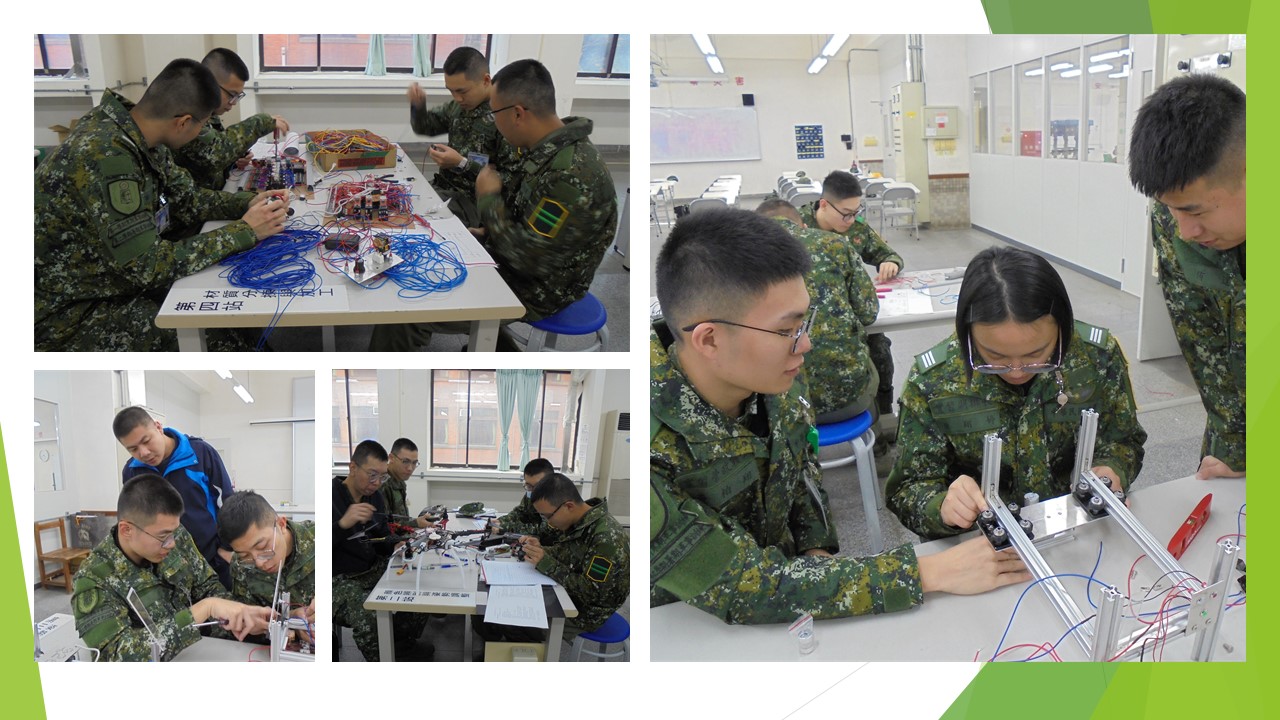
In terms of teaching and research equipment, the program boasts specialized facilities including:
- Aircraft Avionics Classroom
- Welding Classroom
- Pneumatics and Electromechanics Classroom
- General Aircraft Maintenance Workshop
- Engine Classroom
- Audiovisual Classroom
- UH-1H Aircraft Maintenance Zone
- Class C Aircraft Maintenance Certification Testing Site
- Conference Room
- Library
Educational Goals
1. Diversified study and maximum benefits
The plan for developing national non-commissioned officers is as follows: enlistment education, fundamental education, subject-specific education and advanced education. Enlistment education guides new students in adapting to army life; fundamental education delivers general and occupational education. Subject-specific education provides professional education based on expertise before force distribution. Advanced education furthers development to acquire the knowledge required for certain posts. Studies are diversified and students flourish under this approach that includes general education quality, fundamental subjects, professional knowledge, military subjects, as well as life education and physical training to cultivate the character of our non-commissioned officers. All students live on campus under military management to reinforce their studies and to acquire living counselling and benefit from the internship cadre system.
2. Skills evaluation and proficiency advancement
To fulfil the goal of professional certification training, subject guidance and technical tutoring is included in the curriculum. The courses align with test content and technical courses are lectured by professional technical teachers and supported by assistants. Two teaching groups are offered to increase the certificate acquisition rate of students.
3.Practice-Oriented and Professionally Advanced
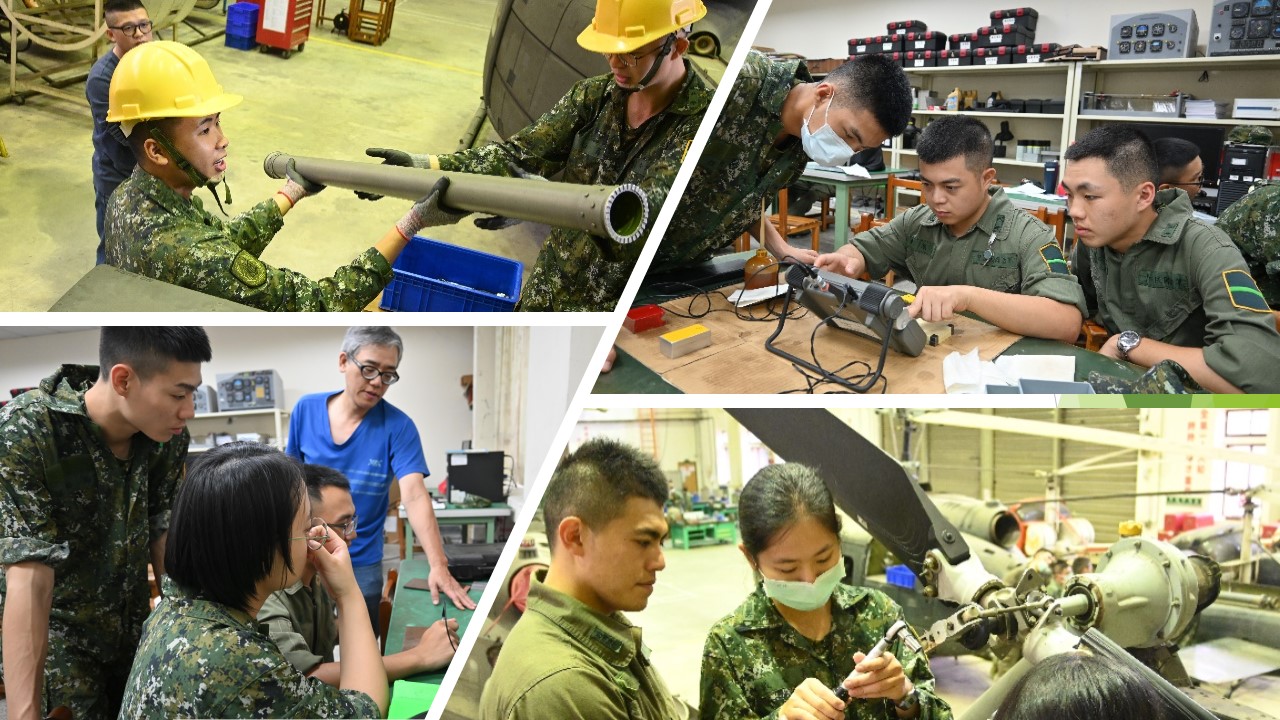
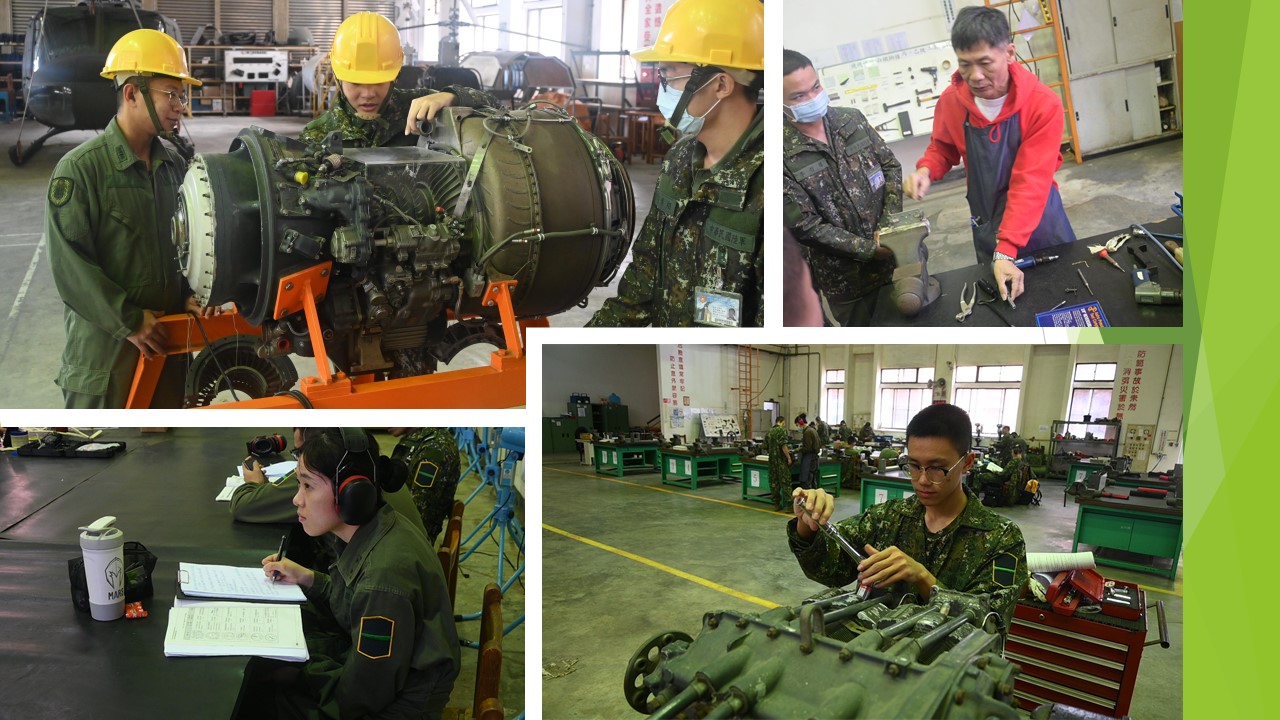
The program focuses on developing maintenance and upkeep skills for helicopters, incorporating simulated maintenance operations to familiarize students with real-world work environments. This minimizes the gap between education and application, training aviation maintenance specialists ready for operational challenges.
4.Safety First, Excellence in Quality
Students are instilled with a "safety-first" maintenance philosophy. Systematic teaching and hands-on training reinforce quality awareness, ensuring that all maintenance tasks adhere to technical directives in terms of "procedures, steps, and essentials."
Core Competences
1. Aeronautical engineering theories and practical abilities
2. Problem exploration, analysis, and handling abilities
3. Team cooperation, communication, and negotiation abilities
4. Proficiency in Reading and Executing Aviation Technical Documents
5. Knowledge of Aviation Regulations and Safety Management
6. Practical Helicopter Maintenance and Upkeep Skills
7. Professional ethics and social responsibilities
Future Career Planning in Military Units
Graduates can select positions such as Aviation Maintenance Technicians or Aviation Communications Officers based on academic performance. They will serve in Army Aviation units and follow career progression plans based on their education and experience. Graduates may also obtain relevant technical certifications and be selected for overseas military education and training programs to further enhance their expertise.
Features of Courses
- Integration of courses and force demands:
The department convenes a curriculum design seminar every year. The industrial, government, academic, and personnel units, all full-time teachers of the department, alumni, and student representatives are invited to review practical courses to optimize education benefits.
- Complete maintenance education:
Develop basic and comprehensive maintenance practices for airplanes, especially work safety and system maintenance skills, guiding students to acquire airplane maintenance certificates.
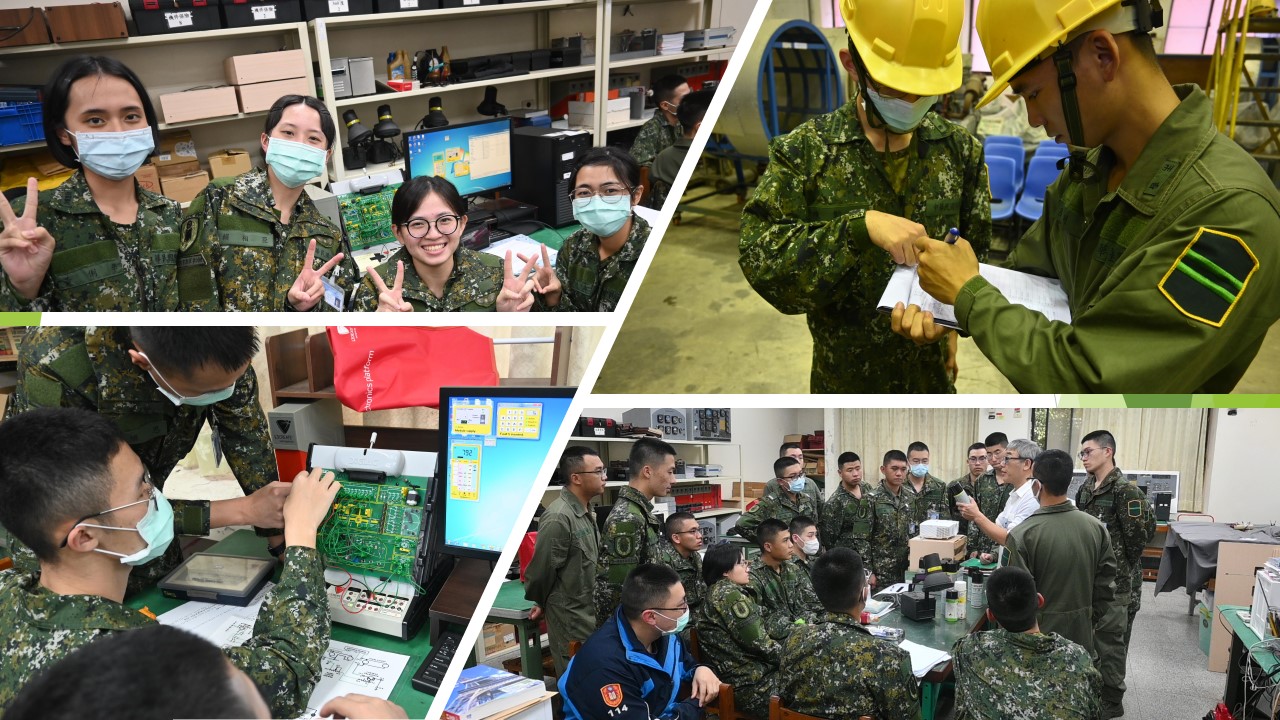
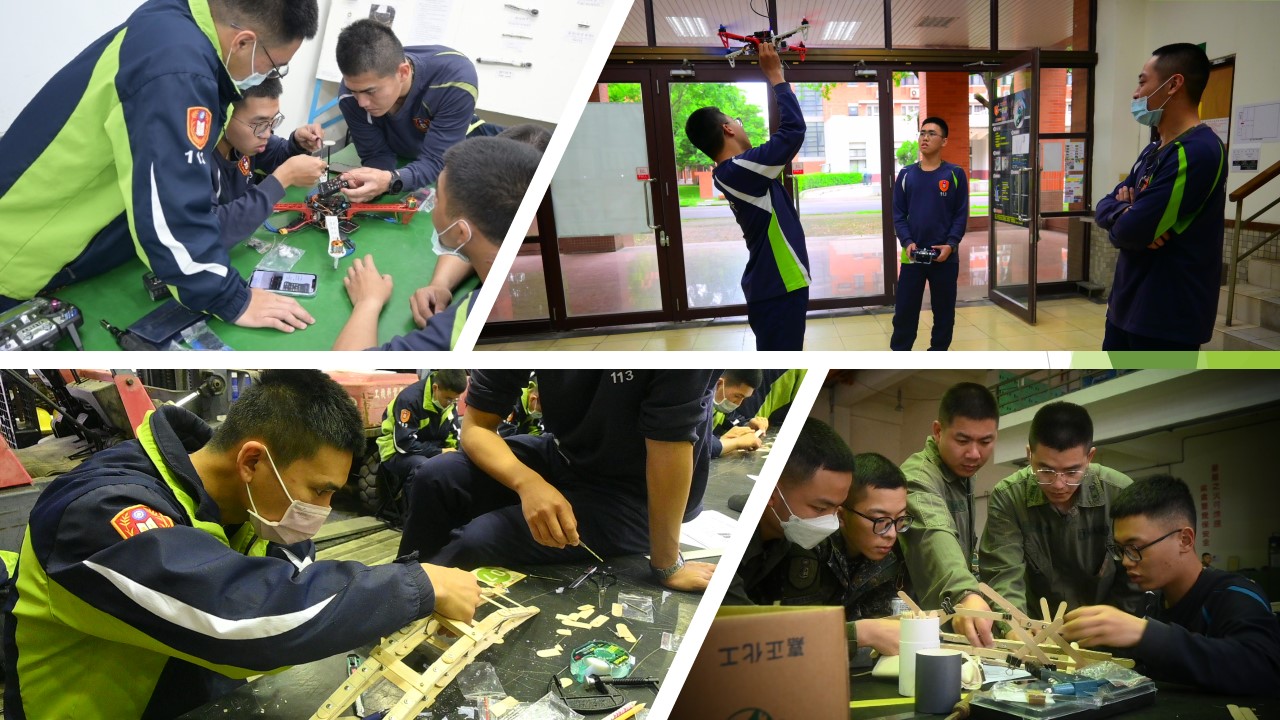
- Stress "learning from practice" to increase interest in learning:
To increase learning interests, students are encouraged to learn from practice, especially in special topic practice courses which are required courses. Students are also encouraged to attend external competitions to improve their confidence and sense of honor.